Vintage Christmas Cards – Sleigh

Recently I came across some family Christmas cards I had designed with the help of my father who owned a letterpress printing press and had cuts (think metal stamps on wooden blocks similar to rubber stamps on wood blocks) made of my drawings. The printing press held an 8×10-inch frame which held the cuts and metal type (letters). Paper was hand-fed into the press which had an electric motor connected with a leather belt which turned the press wheel. From about age 8 and on I earned pocket money running the press to add people’s names to their store-bought Christmas cards, β€œFrom the Desk of” notepads and other small print jobs from family and friends.

The five cards that I am sharing this week were created before the computer drawing program Auto-CAD was widely available to individuals. (I know we didn’t have access to digital type fonts that Apple computers offered around that time.) I used rulers, India ink pens and protractors to draw the pop-ups.

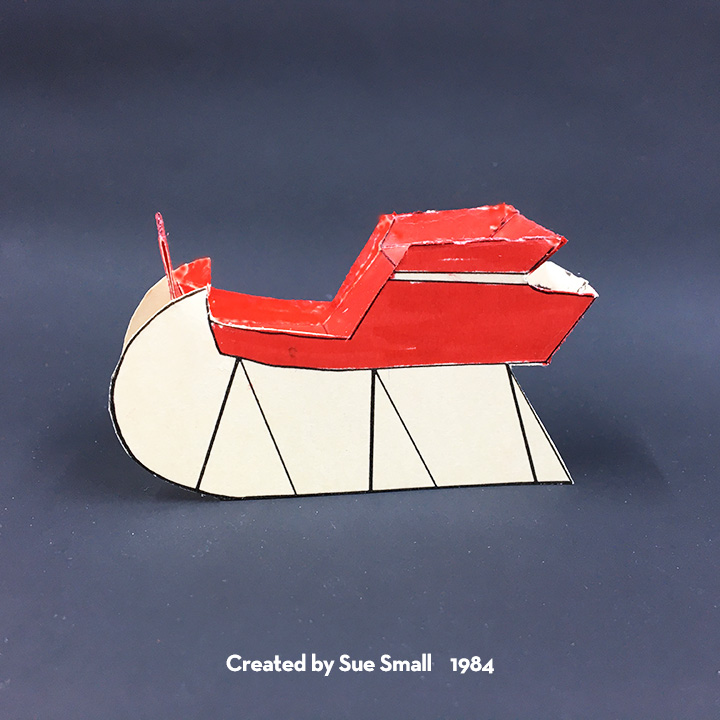
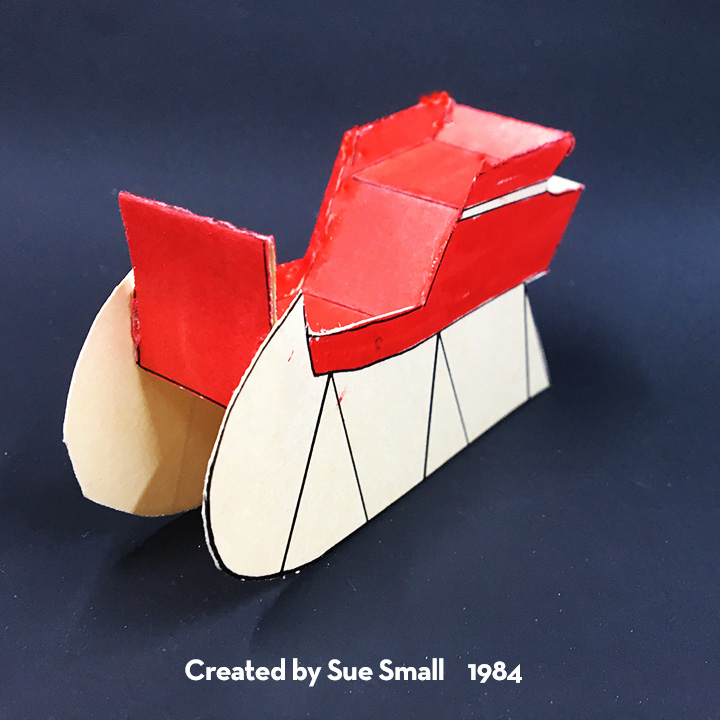
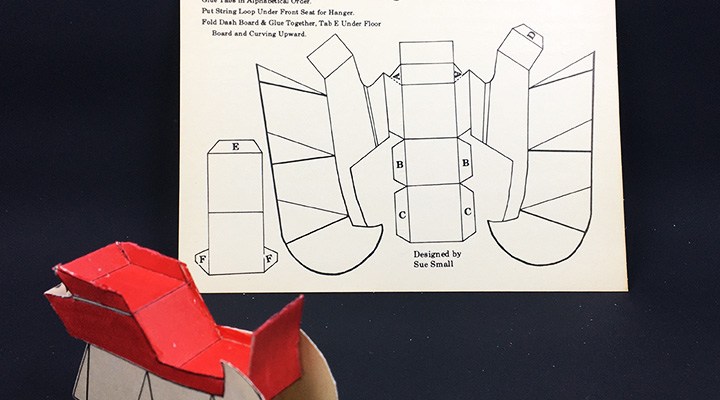
My siblings and I think the sleigh postcard was created around 1984 using an image found in a Dover Publications clip art book. (We didn’t document our source as it was an image in the public domain.)
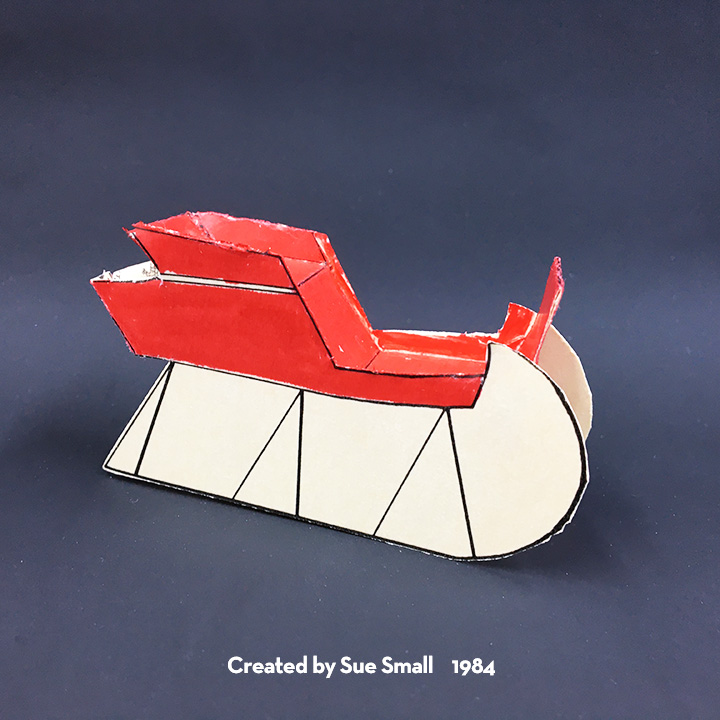
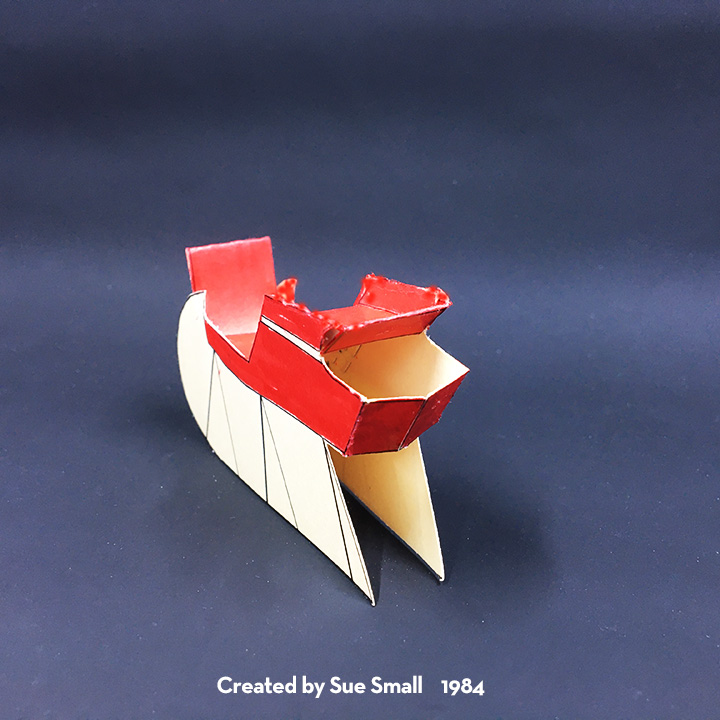
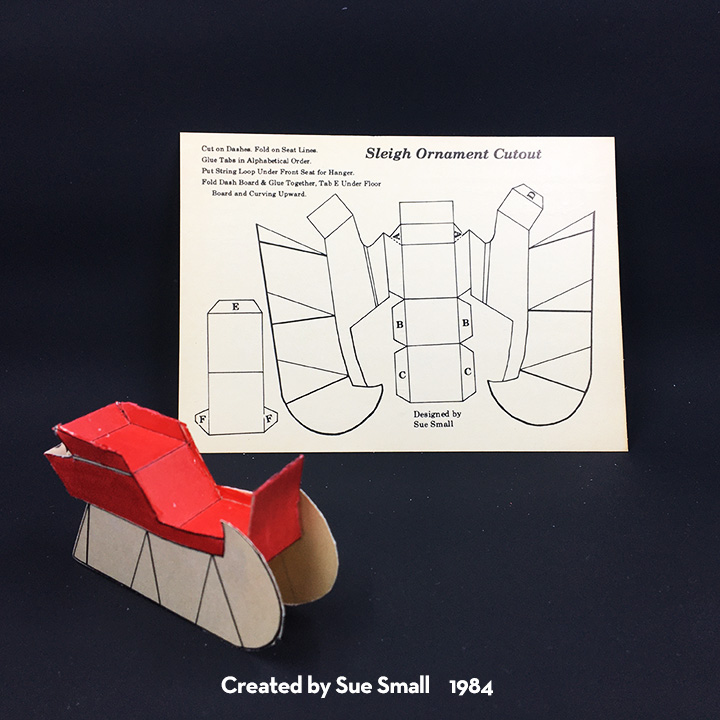
The sleigh was manipulated on a photocopying machine. The image was cut-out twice and one image flipped on its back side and traced with an ink pen. A ruler and protractor were used to create the rectangular shapes and tabs that connected the sides. Rub-on lines were used to create the various thickness of lines and perfect corners.

The instructions, title and tab letters were printed using hand-set type and the cut and pasted onto the drawing. (You can see one of the β€œF” tabs shows the overlap of paper covering the line.)

These postcards were hand-colored using red makers. We printed 400+ of these cards starting in October.

A few of our friends said they had cut and assembled the sleigh.

Here are other vintage Christmas cards:

  • Sleigh
Vintage Christmas Cards – Fireplace

Recently I came across some family Christmas cards I had designed with the help of my father who owned a letterpress printing press and had cuts (think metal stamps on wooden blocks similar to rubber stamps on wood blocks) made of my drawings. The printing press held an 8×10-inch frame which held the cuts and metal type (letters). Paper was hand-fed into the press which had an electric motor connected with a leather belt which turned the press wheel. From about age 8 and on I earned pocket money running the press to add people’s names to their store-bought Christmas cards, β€œFrom the Desk of” notepads and other small print jobs from family and friends.

The five cards that I am sharing this week were created before the computer drawing program Auto-CAD was widely available to individuals. (I know we didn’t have access to digital type fonts that Apple computers offered around that time.) I used rulers, India ink pens and protractors to draw the pop-ups.

For the 1983 stand alone fireplace, I know I was influenced by the cardboard fake fireplaces that were popular Christmas decorations in my childhood. The mantel design may have come from family homes or other 1920’s bungalow style homes with brick fireplaces. It is a more complex assembly with many smaller pieces. I remember printing the instructions and tab names with hand-set type and then cutting and pasting them onto the drawing, before sending it all off to be made into a metal cut.

My father had a little more experience with creating the colors using rub-on sheets of dots to create the coloring of sections of the drawing. Using a photocopying machine, he reduced the size of the dots to make them more intense and he did a reverse of the dots and space in between for the fire. Then he had three cuts made – one for the black drawing, one for the green stockings and mantel greenery and the last one for the red bricks and fire.

For one postcard, it took four runs through the printing press. We printed 400+ of these cards starting in October.

A few of our friends said they had cut and assembled the tiny fireplace adding the suggest string loop to make it a Christmas ornament.

Here are other vintage Christmas cards:

  • Fireplace

Vintage Christmas Cards – House Box

Recently I came across some family Christmas cards I had designed with the help of my father who owned a letterpress printing press and had cuts (think metal stamps on wooden blocks similar to rubber stamps on wood blocks) made of my drawings. The printing press held an 8×10-inch frame which held the cuts and metal type (letters). Paper was hand-fed into the press which had an electric motor connected with a leather belt which turned the press wheel. From about age 8 and on I earned pocket money running the press to add people’s names to their store-bought Christmas cards, β€œFrom the Desk of” notepads and other small print jobs from family and friends.

The five cards that I am sharing this week were created before the computer drawing program Auto-CAD was widely available to individuals. (I know we didn’t have access to digital type fonts that Apple computers offered around that time.) I used rulers, India ink pens and protractors to draw the pop-ups.

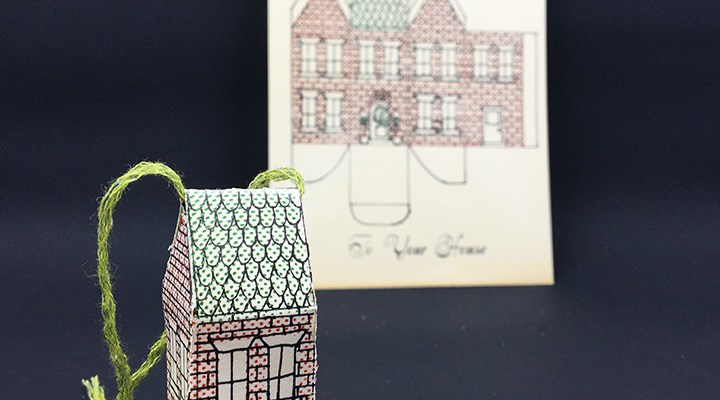
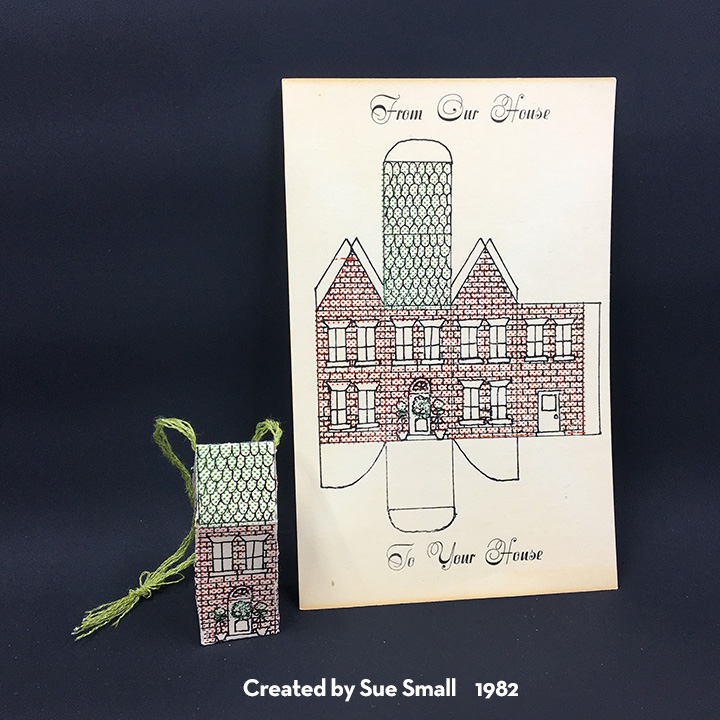
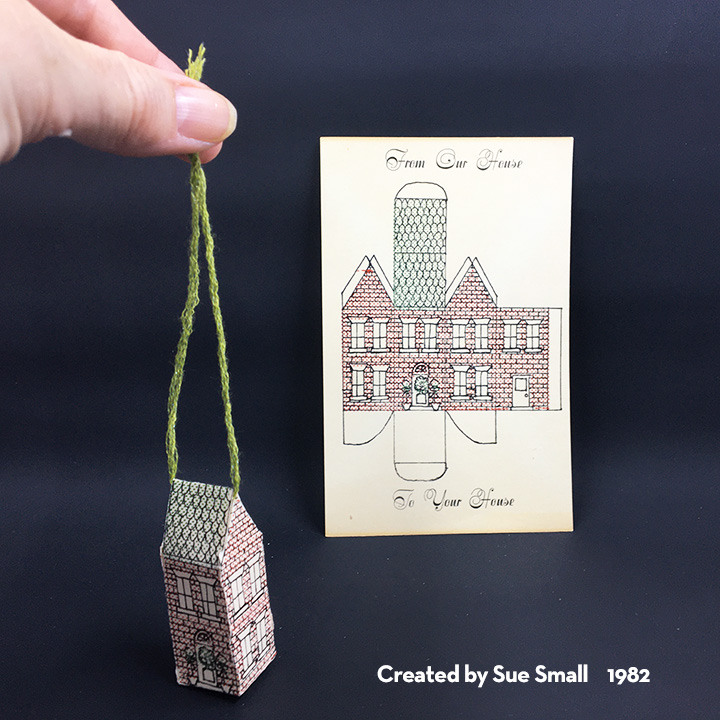
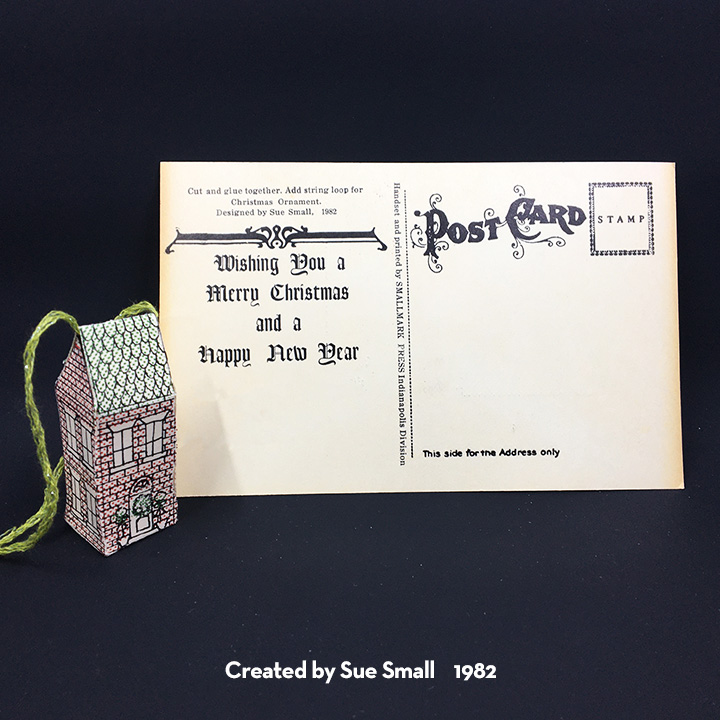
The 1982 β€œFrom Our House To Your House” house box postcard was an outgrowth of my fascination with creating house boxes. I had been introduced to box making in a high school commercial art class where I created a blue and white farmhouse box for perfume. At college I expanded on the farmhouse box design by creating a cardboard embossing plate to add raised clapboard siding and roof shingles that was run through an intaglio press. In 1981 I had completed an internship at a historic house museum which was a red brick Victorian house.

The challenge with creating a house box on a postcard was how much would fit on a 5 3/4-inch x 3 3/4-inch postcard. I drew the box on an 8 1/2-inch x 11-inch sheet of paper and used a photocopying machine to reduce it in size.

My father was experimenting with a new technique for him using rub-on sheets of dots to create the coloring of sections of the drawing. He had three cuts made – one for the black drawing, one for the green roof, door wreath and greenery and the last one for the red bricks.

For one postcard, it took four runs through the printing press. We printed 400+ of these cards starting in October.

A few of our friends said they had cut and assembled the wee house box adding the suggest string loop.

Here are other vintage Christmas cards:

  • House Box

Vintage Christmas Cards – NO L Tree

Recently I came across some family Christmas cards I had designed with the help of my father who owned a letterpress printing press and had cuts (think metal stamps on wooden blocks similar to rubber stamps on wood blocks) made of my drawings. The printing press held an 8×10-inch galley or frame which held the cuts and metal type (letters). Paper was hand-fed into the press which had an electric motor connected with a leather belt which turned the press wheel. From about age 8 and on I earned pocket money running the press to add people’s names to their store-bought Christmas cards, β€œFrom the Desk of” notepads and other small print jobs from family and friends.

The five cards that I am sharing this week were created before the computer drawing program Auto-CAD was widely available to individuals. (I know we didn’t have access to digital type fonts that Apple computers offered around that time.) I used rulers, India ink pens and protractors to draw the pop-ups.

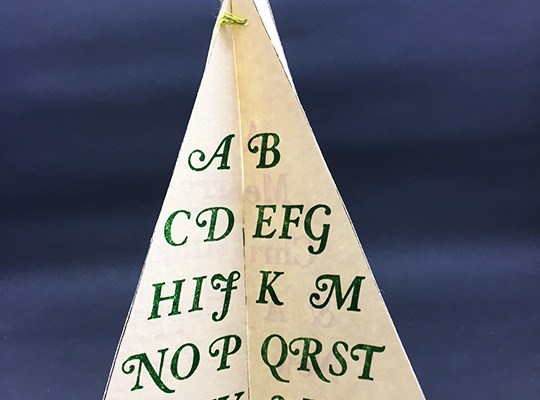
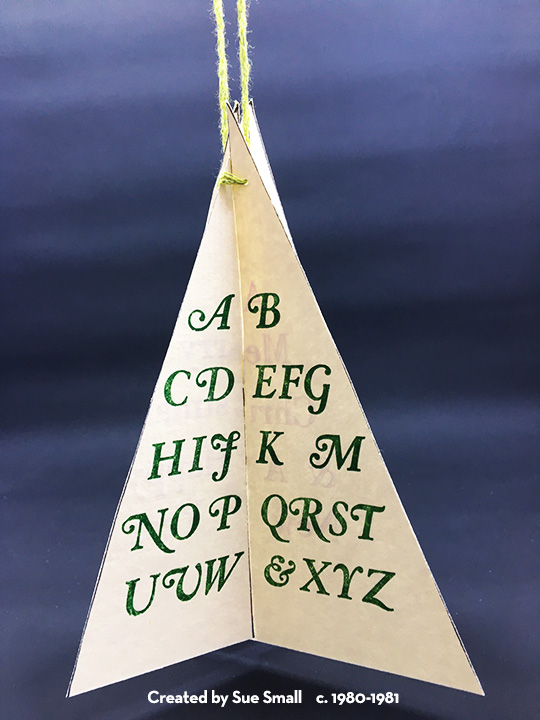
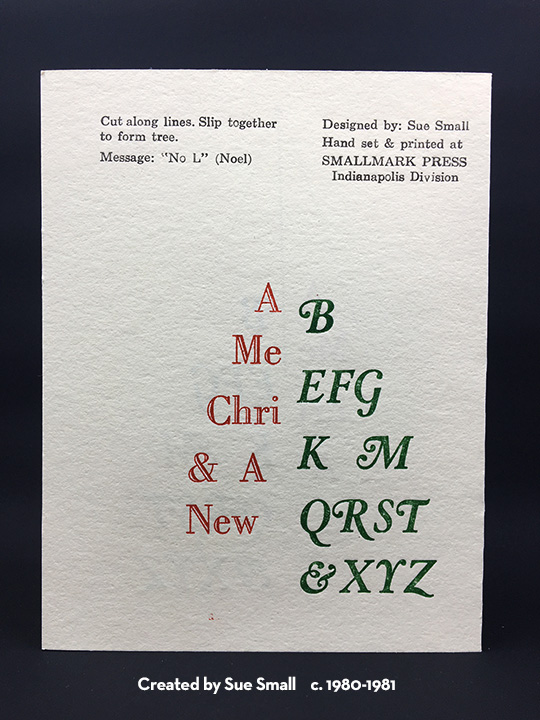
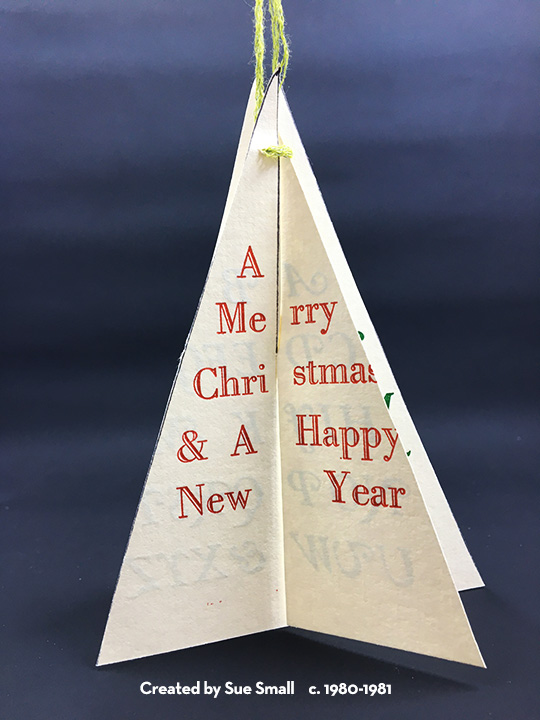
The NO L Tree card was a mash-up of another Christmas card my parents had done in the 1950s spelling out the alphabet but leaving a space where the β€œL” would have been, and a 3D triangle tree that I had made as a child which was made of two triangles cut with slits that allowed them to slide together. My father suggested having the sentiment in red ink be on two quadrants while the green alphabet be on the remaining two quadrants. We decided on different type fonts for the two sides.

Hand setting the type was a little challenging, but after several test runs, we found the proper placement. I think we created a cardboard template to trace the tree lines inside the card with a black pen.

Instructions on how to assemble the tree as well as the card title/subtitle and card credits were all made with hand-set type. To print one card, it took two runs of green ink, two runs of red ink and one run of black ink for a total of five runs and one hand tracing of the triangle lines. We would print 200+ cards each year and start printing in October.

My siblings and I think this card was made around 1980-1981.

Here are other vintage Christmas cards:

  • NO L Tree

Tired Santa

This is a holiday card for a busy Santa. It features the Bam Box dies from Karen Burniston’s December 2022 release. It also uses previously released die sets of the Fireplace Pop-up die set, Fireplace Extras 1, Fireplace Extras 2Gnome and Santa, Slim Frames and Family Room die set.

Card Base:  The card base is an A7 size (5 x 7 inches) with a top fold. The base was what I glued decorative papers to as well as attaching the fireplace pop-up mechanism.

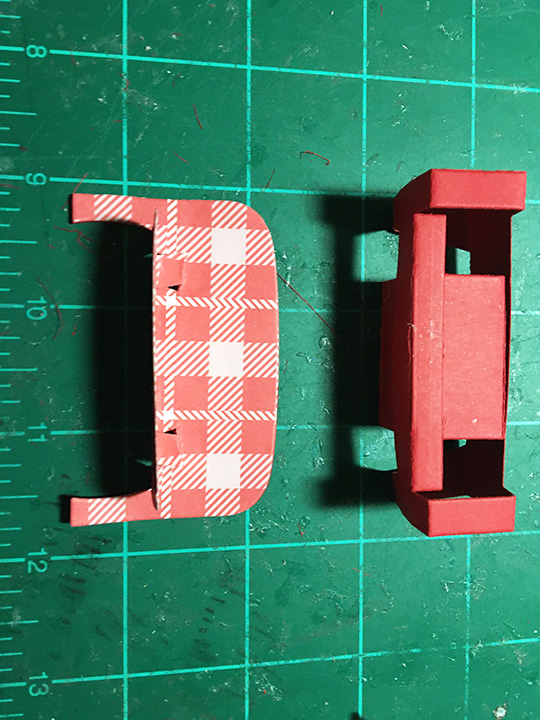
Bam Box: Β The bam box is a rubber band powered spring box that allows the sofa to pop-up. Watch the assembly video before assembling. Heavy weight cardstock is recommended and allowing glue to dry at each step will make for the best working bam box.

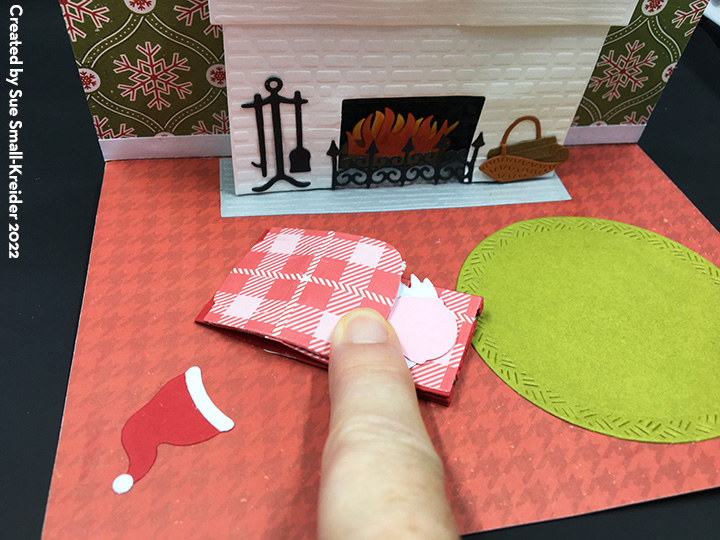
Chair:  A bam box is covered with the chair from the Family Room die set. The back of the chair is just the seat portion left flat. I cut a bam box decorative rectangle to cover the front base of the chair and hid the bam box. The pillow is attached as per assembly video directions. Santa is made from the Gnome and Santa set coloring the boots to look like socks and adding a pair of pants so his legs can stretch out onto the ottoman. Santa is glued to the pillow and his pants are glued to the Santa suit edge. The ottoman is just a bam box covered with decorative paper. (I originally was going to have a sofa in the scene as well, but decided on a chair and ottoman foot rest. The photos below depict the sofa assembly. The chair is made similarly.)

Fireplace and accessories:  For the fireplace cut two of the fireplace brick front – one in white and one in black as well as two of the lined mantle/hearth pieces – one white and one gray. The black brick is colored with a white crayon and the fire and logs are also cut twice and colored with watercolor pencils.

To assemble the fireplace, watch the assembly video first. You will need to attach the gray hearth and black brick pieces to the card base before adding the mechanism. There are two fireplace extra sets. I used the clock, fireplace fender and basket of logs from set 2 and the fireplace tools and candles from set 1. The tiny pop-up mechanisms for the objects on top of the mantel are from the fireplace die set. I also add strips of white cardstock to the wall on either side of the fireplace as floor moldings.

Rugs and Wall Decoration:  Using patterned papers that suggest wallpaper or carpeting make this type of card pop. The picture molding strip above the fireplace is a scrap trimmed off the patterned paper and the reverse side used. Slim Frames is the die set that the gold frame comes from while β€œHappy Boxing Day” and the calendar page are computer generated. The large green round rug is cut from the second largest circle crosshatch die. It can be used to write a personal message.

Card Front:  The card front uses a mat of silver glitter paper overlayed with the snowflake pattern plate cut from white handmade paper that has silver glitter swirls on it. The Holiday House is cut from papers used on the inside of the card. β€œSANTA” has been written on the door mat to hint at who is inside the card. β€œHappy Holidays” was cut three times with the top layer colored with silver gel pen.

Envelope: The back flap of the A7 brown kraft paper envelope has Santa’s sleigh and reindeer stamped in white to hint at what’s to come.

Thank you for reading this blog post. Please like and leave comments 😊

Materials Used:

Dies

Papers

  • Echo Park Paper Co. – 12 x12 Double-sided coated cardstock – A Perfect Christmas by Lori Whitlock – Berry Merry Christmas – APC135003
  • Echo Park Paper Co. – 12 x12 Double-sided coated cardstock – I Love Christmas by Lori Whitlock – Glad Tidings – ILC114009
  • American Crafts – The Color of memories 12 x12 Red Plaid Paper – 348968
  • Recollections – Signature Especial 12×12 Foil Paper – Silver Glitter -220520
  • White Glitter Handmade Paper
  • Colored scraps of cardstock
  • A7 Kraft Card and Envelope

Pens, Crayons & Inks

  • Pink, Red and Black Fine-Tipped Markers
  • Ranger – Tim Holtz – Distress Ink – Walnut Stain
  • Ranger – Tim Holtz – Distress Crayon – White
  • Simon Says Stamp – Premium Pigment Ink – White

Stamps

  • LeCrea Design by Leane de Graaf – Combi Stamps – Santa & Small Christmas Trees – 55.3707

Miscellaneous

A Merry Little Christmas

Sometimes you just need to cheer someone up at Christmas time.

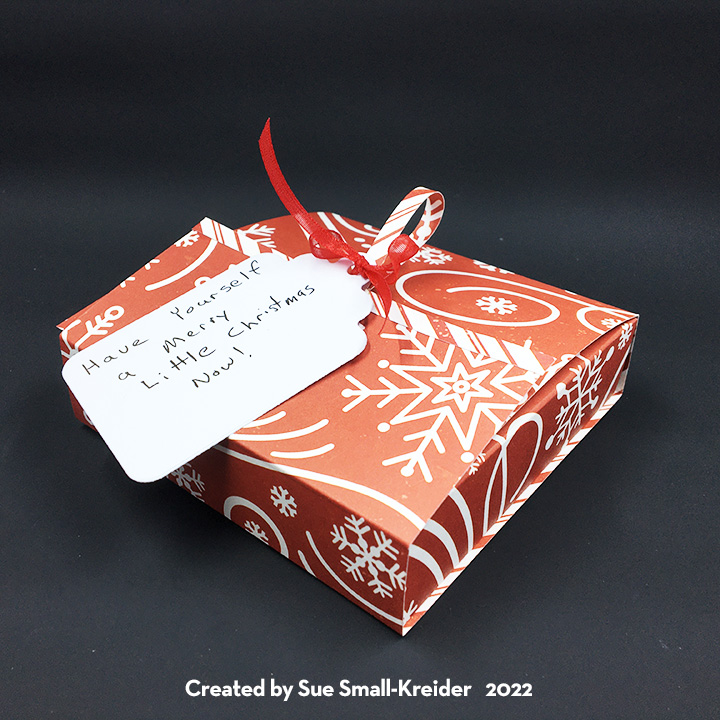
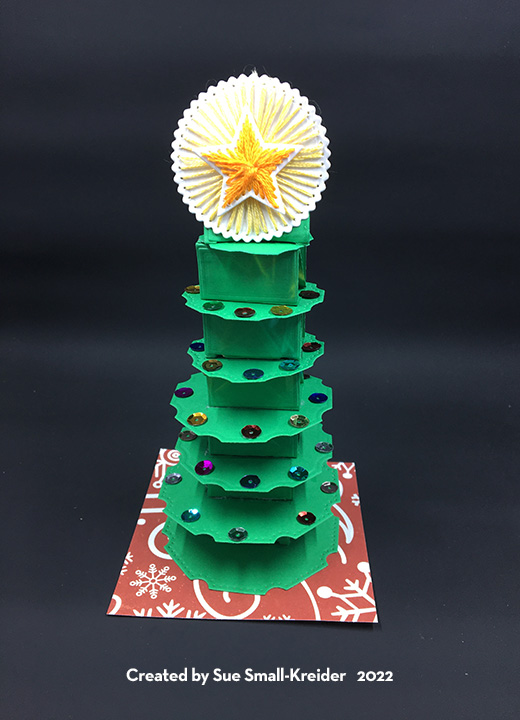
This was a quick make for a friend who found out that they would be unable to be with family over the holiday weekend. It uses the Bam Box die set from Karen Burniston’s December 2022 release and a tag die from a previously release die set. The stitched star and circle were leftover from a previous project. They were die cut from Karen’s Circle Charm Pop-Up die set.

I cut seven of the bam box strips, 14 of the bam box decorative rectangles and two of each of the four different sized fancy circle labels in the set from green cardstock. Because I like to let the glue dry between before adding the rubber bands to bam boxes, I glue in stages. (In the photo the middle flaps have been glued.) (See website for assembly video and source of tiny rubber bands.)

Glue the decorative panels to the sides of each bam box for added thickness. (By sides I mean the sides that have the diagonal flap beside them. Not the side that has the smiley face or its parallel side.) These will be the sides seen between the layers of circles.

To assemble the tree, mark in pencil the location of the bam boxes on the top and bottom of each circle except one of the smallest. Add double-sided tape to the tops of the circles and bam boxes. (By top of the bam box I mean the side where the smiley face is glued to the last flap of the box.)

Alternate the direction of the diagonal inside flaps of the bam boxes, so that they make a zig-zag pattern when looked at from the side. By alternating the direction, the bam boxes will fold flat and the tree will flatten into an oval shape.

The stitched star and circle are thick (1/4 inch each) with the three strands of embroidery floss stitched through the punched holes that the die makes and a center hole made with a needle. They are backed with the smallest fancy circle label and glued to the top bam box on its side.

Sequins are glued to the edges of the circles to represent ornaments or colored lights.

The outer box is made of two 12 x 4 inches rectangles scored at 4 inches, 5 inches, 9 inches and 10 inches. The middle squares are glued together to form a cross. Using strips of the decorative paper for pull ribbons glued to the middle of each flap, I glued the remainder of the strips as decorative trim. Two adhesive-backed hook and ladder fasteners are the closures.

Thank you for reading this blog post. I hope it has provided some inspiration.

Materials Used:

Dies

Papers

  • Echo Park Paper Co. – 12 x12 Double-sided cardstock – A Perfect Christmas by Lori Whitlock – Snowflake Swirl – APC135009
  • Green Cardstock
  • White Cardstock Scraps

Miscellaneous

COUNT DOWN TO SANTA – PART 2

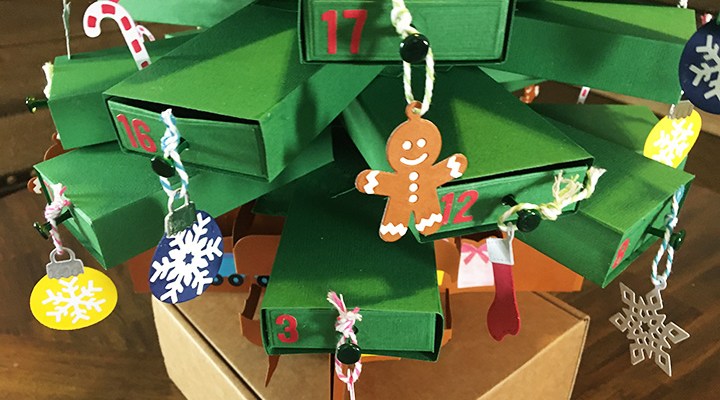
Counting down to when Santa comes can be a fun for little ones and older ones with a tree of ornaments that are stored in their numbered drawers until their day to be opened and hung on their drawer knob. The drawers are big enough to hold a treat, note or gift card as well as their ornament. The large star is for December 25 and is a 2-inch box that opens from the top to reveal a larger gift.

The tree is made with Karen Burniston’s newly released Slider Box die set and decorated with her Winter and Holiday Charm sets. Her pivot train and gift pivot cards form the tree base. The star box is based on Karen Burniston’s crosshatch squares.

I used 16 sheets of 12×12 inch sheets of 80lb. textured cardstock to construct the slider boxes and the layer bases.

Construct the slider boxes as shown in assembly video, except use a metal brad instead of ribbon for the drawer pull. (I sprayed the brads green before assembling drawers.)

Once all 24 slider boxes and drawers are assembled, they will be assembled in to six layers of four boxes each, using the crosshatch rectangles in three sizes.

Cut four rectangles from each of the three largest crosshatch dies. I pinched the center points on each side of the rectangles to line them up as shown in the photograph. Glue together each pair.

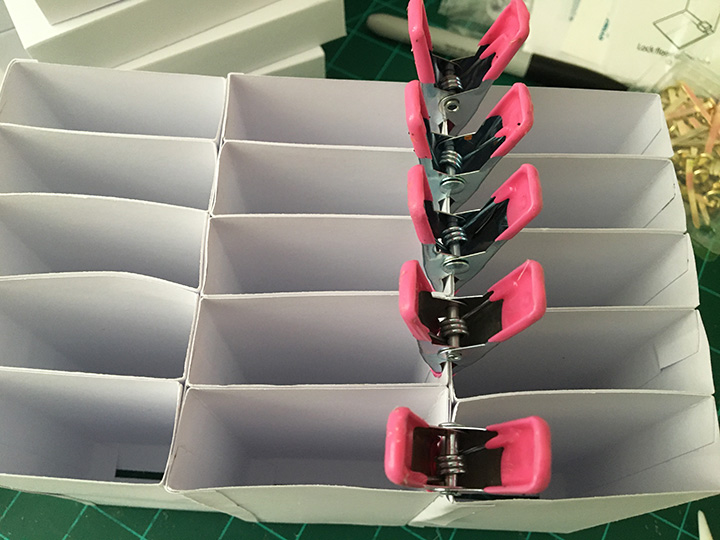
Using a grid work surface, Line up the four boxes with drawers opening away from the crosshatch rectangles. Apply glue to the edge of the rectangle and the box bottom. Place a weight such as a stamping block or cell phone on top of boxes until the glue is set. (I cooked dinner and did a load of laundry while gluing the six layers together and letting them dry enough to move.)

Play with the positioning of the layers before you glue them. I used the crosshatch borders to help me know where to place glue. The bottom layer will have the boxes spaced the furthest out while the top layer will have the boxes almost butted up against each other.

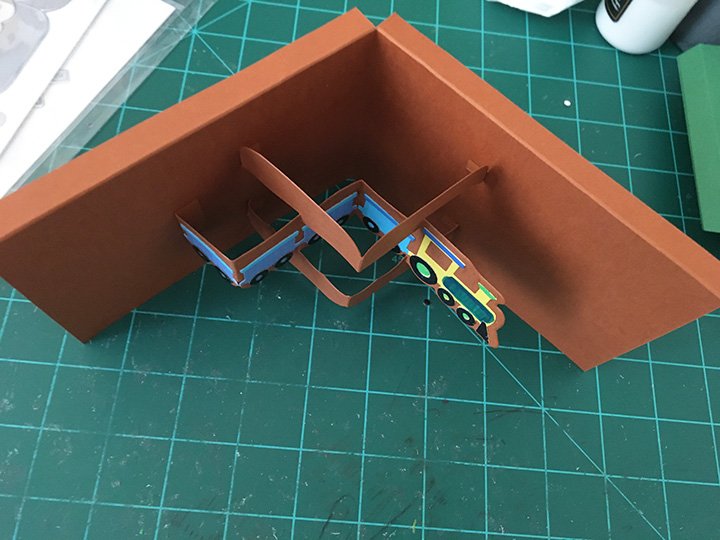
For the tree base, make four pivot panel cards – two trains and two gifts. For the base fold an 11 x 4.25-inch piece of heavy cardstock in half and scored the long top edge at 3/8 inches. Snip the scored tab at the center fold. Assemble pivot cards and then glue to the tree bottom forming an β€œX”.

Make 24 ornaments from the winter and holiday charm sets. (I made four of six different designs and colors.)

Download the box and star tip patterns. Cut six of the 2-inch crosshatch squares, one of the box pattern and 12 of the star tip patterns.

Download pdf patterns

Glue two of the star tip pieces together to form a 4-sided pyramid. Repeat with the rest of the star tip pieces to create 6 pyramids. To assemble the box, glue crosshatch squares to sides of box while flat. Glue only β€œTAB X”s to adjacent square edges to form a box with a hinged lid. Attach star tips to box with glue or double-sided tape.

Die cut the 3-inch crosshatch square from green to cover the hole on the top layer. Mark the center and die cut using the smallest crosshatch square die, a square in the center of the large square. Glue large square over hole on top layer. Added glue to bottom tip of star and slide into hole in the top.

Materials Used:

Dies

Papers

  • Fun Stampers Journey – 8.5×11 Cardstock – Pumpkin Bread – CS-0098
  • American Crafts – 12×12 Heavy Weight Glitter Cardstock – Sunflower – 71429
  • American Crafts – 12×12 – 80lb. Weave Cardstock – Evergreen – 71056
  • Colored, Foiled and Print Cardstock Scraps

Pens

  • Farber Castell – Pitt Artist Pen – Black India Ink – 199
  • Sharpie Marker – Medium Tip – Black

Miscellaneous

Count Down to Santa – Part 1

Counting down to when Santa comes can be a fun for little ones with a chest of numbered drawers full of surprises.

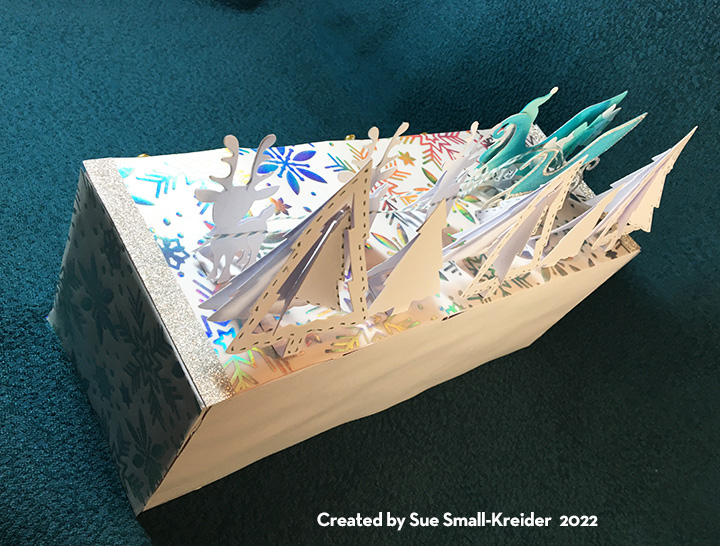
This non-traditional color schemed chest has 25 drawers that can be filled with treats, notes on an activity to do that day, etc. It is made with Karen Burniston’s newly released Slider Box die set and decorated with her Christmas themed dies.

I used 16 sheets of 12×12 inch sheets of 85lb. cardstock to construct the chest with brass brads as drawer pulls. Using a large box as a jig to glue the slider sleeves together I found worked best when also adding a 5×4 3/8 inch siding strip to each tower.(Gluing up the slider sleeves around a drawer also helps to make them more uniform in size and shape.)

Once the five towers of five drawers each are made they can be glued together. To hide the unevenness of the towers, I covered the The base is 4 5/8×12 1/4 inches. The top is 4 1/2×12 1/4 inches. I covered the sides and top with a Snowflake patterned vellum which was only 12 inches wide, so I used 1/2 inch strips of silver glitter paper on the edges of the top to hide the gaps. I used the same silver glitter paper to cover the drawers. Karen Burniston’s Mini Alphabet’s numbers are the perfect size to fit on the drawer fronts.

To create the snowy scene on top, I used four of Karen Burniston’s previously released die sets – Sleigh Pop-Up, Christmas Animals, Christmas Trees Pop Stand, and Gnome and Santa. I had to reverse the direction of the sleigh to make it work with the reindeer dies. The trees are assembled as usually, but with narrow strips of cardstock forming “U” shaped bases for the tree trunks to be glued onto. The reindeer are each made up of two die cuts that are glued together at their antlers and have the face colored on the front side only. the use the same “U” shaped bases as the trees.

I apologize for the wonkiness of the chest as it was my first attempt at constructing the towers of drawers. My suggestions to use a large box as a jig to shape the towers and a strong cardstock that does not absorb the glue as mine did may help you construct a chest that is more uniform.

Materials Used:

Dies

Papers

  • Recollections – Signature Especial 12×12 Foil Paper – Silver Glitter -220520
  • Spellbinders -8.5×11″ sheets of 100lb. Cardstock – Waterfall – CS-017
  • Stampin ‘Up – 12×12″ Specialty Vellum – Snowflakes
  • Brazzill – 12×12 Cardstock -Coconut Swirl
  • Pink, Black and Gold Cardstock Scraps

Pens, Crayons, Inks & Coatings

  • Farber Castell – Pitt Artist Pen – Black India Ink – 199
  • Sakura – Gelly Roll Pen – Silver -XPG#744
  • American Crafts – Metallic Marker – Silver – 82212
  • Ranger – Tim Holtz – Distress Ink – Salty Ocean

Miscellaneous

Holiday Card for A Bookworm

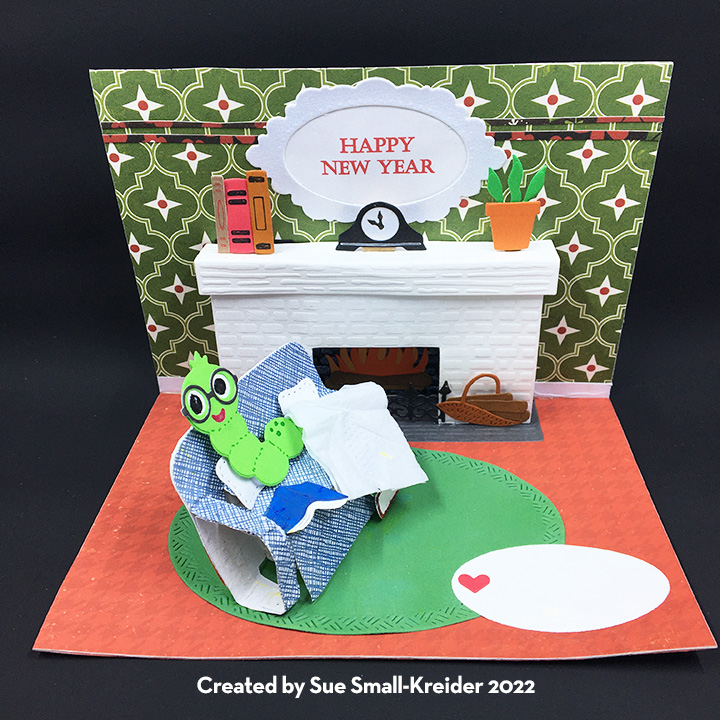
This is a holiday card for a booklover. It features the Bookworm and Bam Box dies from Karen Burniston’s December 2022 release. It also uses previously released die sets of the Fireplace Pop-up die set , Fireplace Extras 2 and Family Room die set.

Card Base:  The card base is an A6 size (4.5 x 6.25 inches) with a top fold. Decorative papers as well as the fireplace pop-up mechanism are glued to the base.

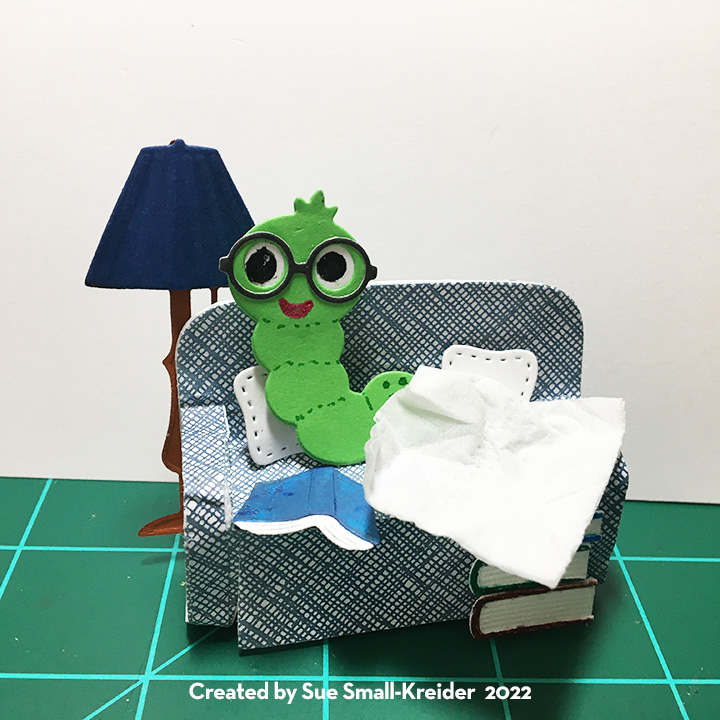
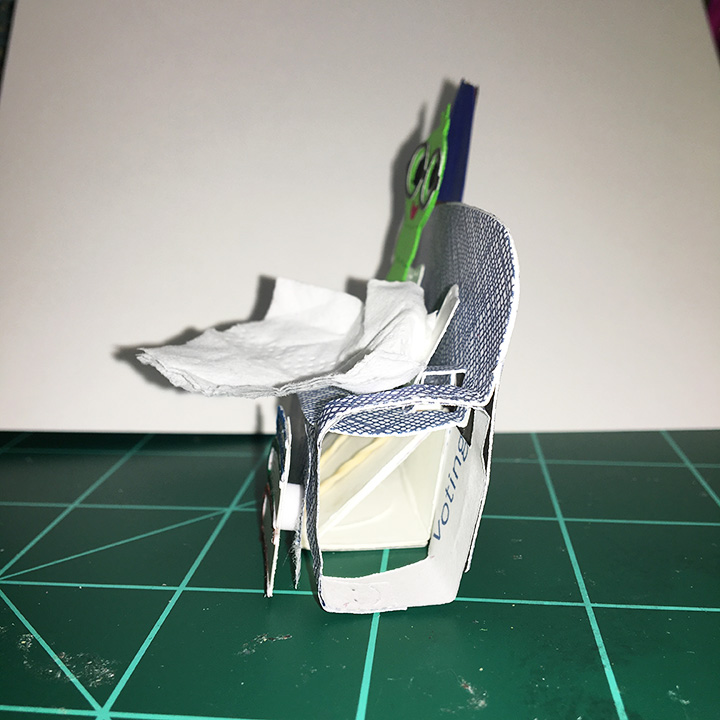
Bookworm and books:  The bookworm set comes with all the dies to create a bespeckled worm that fits on the sofa from the Karen Burniston Family Room die set. (See assembly video.) The book dies allow for creating books from most angles including open books. (I added book spines to the top of the fireplace and a stack of books to the base of the sofa hidden by the blanket.)

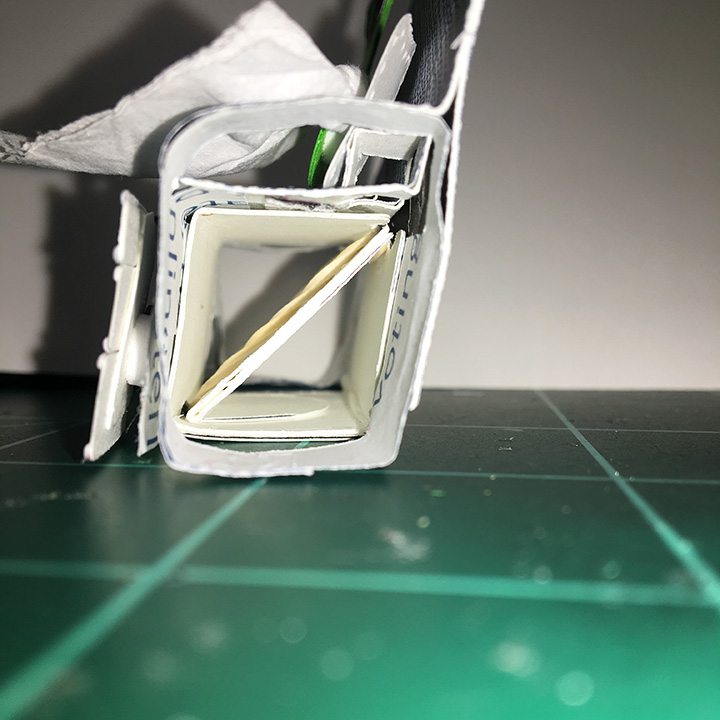
Bam Box: Β The bam box is a rubber band powered spring box that allows the sofa to pop-up. Watch the assembly video before making. Heavy weight cardstock is recommended and allowing glue to dry at each step will make for the best working bam box.

Sofa:  A bam box is covered with the sofa from the Karen Burniston Family Room die set. The back of the sofa is just the seat portion left flat. I cut a rectangle to cover the front base of the sofa and hid the bam box. The pillows are attached as per assembly video directions. The bookworm is attached to the pillows with foam dots as is the stack of books to the base. The blanket is tucked around the worm’s body and attached under the foam square. (When laying out the position of the sofa in the card, I found that the lamp was too tall to be in the card when it was closed, so it was eliminated in the final card.)

Fireplace and accessories:  For the fireplace cut two of the fireplace brick front – one in white and one in black as well as two of the lined mantle/hearth pieces – one white and one gray. The black brick is colored with a white crayon and the fire and logs are also cut twice.

To assemble the fireplace, watch the assembly video first. You will need to attach the gray hearth and black brick pieces to the card base before adding the mechanism. There are two fireplace extra sets. I used the one with the clock, plant and basket of logs. The tiny pop-up mechanisms for the objects on top of the mantel are from the fireplace die set. The basket of logs is on a foam dot. I also add strips of white cardstock to the wall on either side of the fireplace as floor moldings.

Rugs and Wall Decoration:  Using patterned papers that suggest wallpaper or carpeting make this type of card pop. The picture molding strips above the fireplace are scraps trimmed off the patterned paper and the reverse side used. The large green oval rug is cut the second largest oval crosshatch die. The small white oval with a red heart is the cut out from the picture frame. It can be used to write a personal message.

Sentiments:  On the front of the card Karen Burniston’s Merry Christmas and its shadow are cut from contracting colors of patterned papers used on the inside of the card. The Happy New Year framed inside the card over the fireplace is a computer-generated sentiment. The frame is from the slim frames die set.

I used leftovers from decorating the inside of the card to complete the outside panels of the card which are covered using the reverse sides of the decorative papers used on the inside.

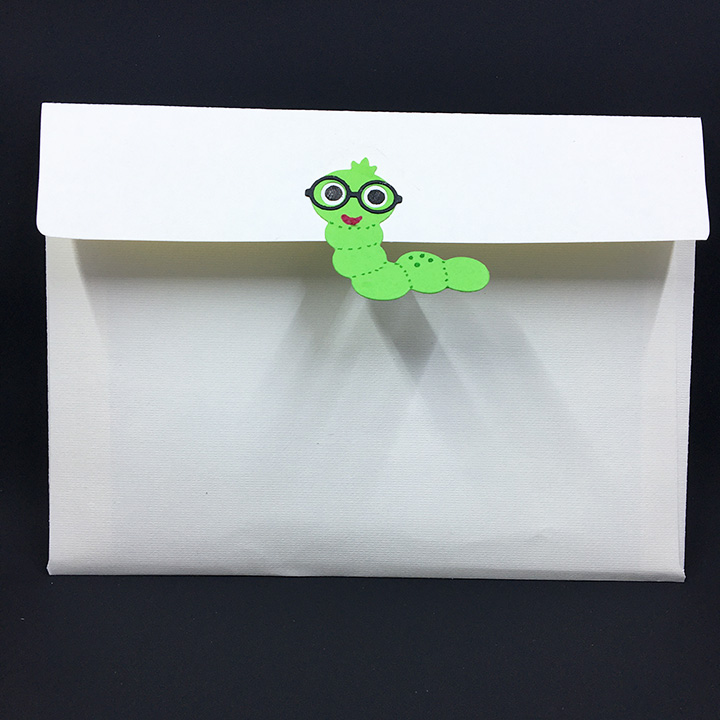
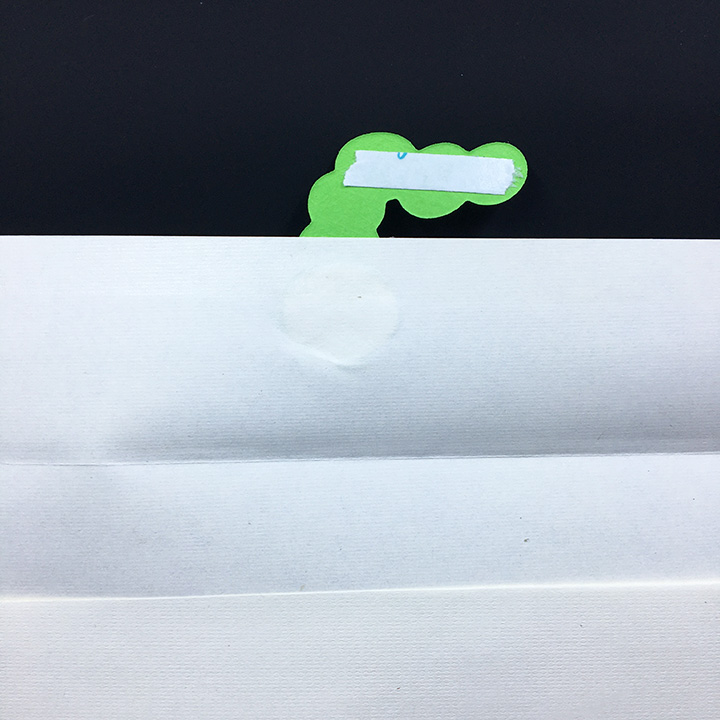
Envelope: The back flap of the envelope has a bookworm attached at the head to the flap and a stripe of double-sided tape on the back of its body for when the envelope is sealed.

Thank you for reading this blog post. Please like and leave comments 😊

Materials Used:

Dies

Papers

  • Echo Park Paper Co. – 12 x12 Double-sided coated cardstock – A Perfect Christmas by Lori Whitlock – Berry Merry Christmas – APC135003
  • Echo Park Paper Co. – 12 x12 Double-sided coated cardstock – The Story of Christmas by Lori Whitlock – Flowers – TSC94003
  • Colored scraps of cardstock
  • Computer and color printer
  • Park Lane Paperie – A6 Textured Card and Envelope – Ivory

Pens, Crayons & Inks

  • Green, Red and Black Fine-Tipped Markers
  • Gelly Roll 08 Pen – White
  • Ranger – Tim Holtz – Distress Ink – Walnut Stain
  • Ranger – Tim Holtz – Distress Crayon – White

Miscellaneous